
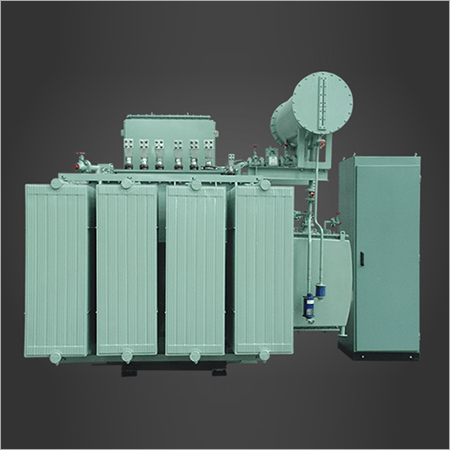
Trusted Furnace Transformer Manufacturers for Steel Plants
The 2026 Guide to Peak Thermal Performance
Are you looking for Furnace Transformer Manufacturers in Chhattisgarh that understand the punishing nature of high-current industrial heating? In the competitive landscape of steel manufacturing and smelting, your power infrastructure is the most critical link in your production line. A standard distribution transformer cannot withstand the volatile, high-current, and frequent short-circuit conditions inherent in electric arc and induction furnaces. This guide explores how to select the right equipment to maximize your furnace uptime and safeguard your operational output.
The Engineering Requirement
When searching for Furnace Transformer Manufacturers in Chhattisgarh, you must prioritize partners who specialize in heavy-duty design, not just mass-produced utility units. A furnace transformer must be engineered to handle high secondary current and frequent thermal expansion cycles. The best manufacturers in the region provide customized, ruggedized designs that utilize high-conductivity copper and advanced cooling systems, ensuring that your furnace operates at peak efficiency without sudden electrical failures.
What is a Furnace Transformer?
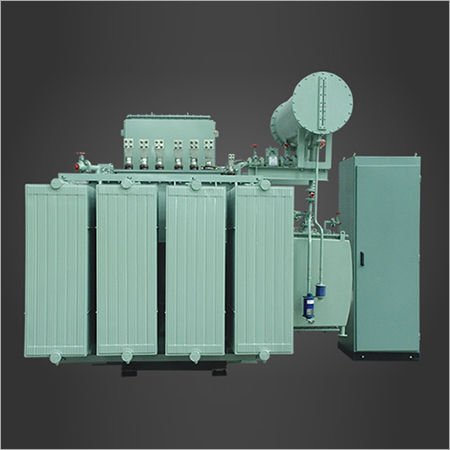
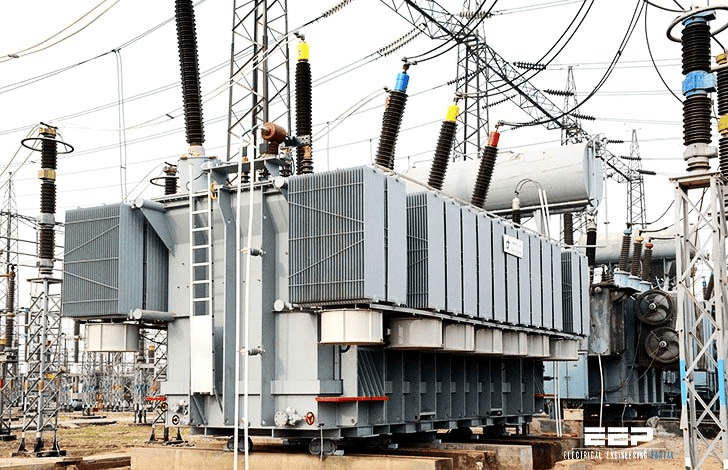
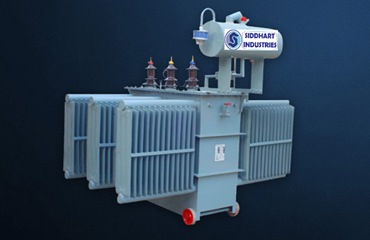
Unlike standard transformers that maintain constant voltage, a furnace transformer is a specialized piece of equipment designed to supply high-amperage, low-voltage power to electric furnaces. They are the heart of the smelting process, specifically built to endure the extreme electrical stress caused by the erratic, heavy loads typical of melting scrap, ore, or alloys in industrial foundries.
Key Facts: Why Furnace Transformers Require Specialization
- Volatile Load Handling: These units are built to withstand the "arc" phase of melting, which introduces constant electrical surges.
- Mechanical Strength: The internal windings are reinforced to resist the immense mechanical forces generated by high-current surges.
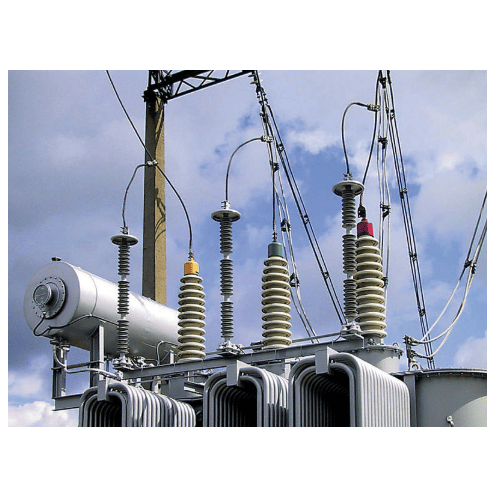
- Thermal Management: Specialized cooling—often utilizing high-flow oil systems—is mandatory to prevent core overheating during 24/7 melt cycles.
- Custom Impedance: Proper impedance matching is critical to preventing damage to the furnace electrodes and maintaining stable melt temperatures.
Troubleshooting: Common Furnace Power Challenges
Furnace downtime is often attributed to power delivery inefficiencies. If your melt cycle is inconsistent, use this guide to troubleshoot your infrastructure:
|
Problem |
Root Cause |
Solution |
|
Uneven Melt Patterns |
Impedance mismatch |
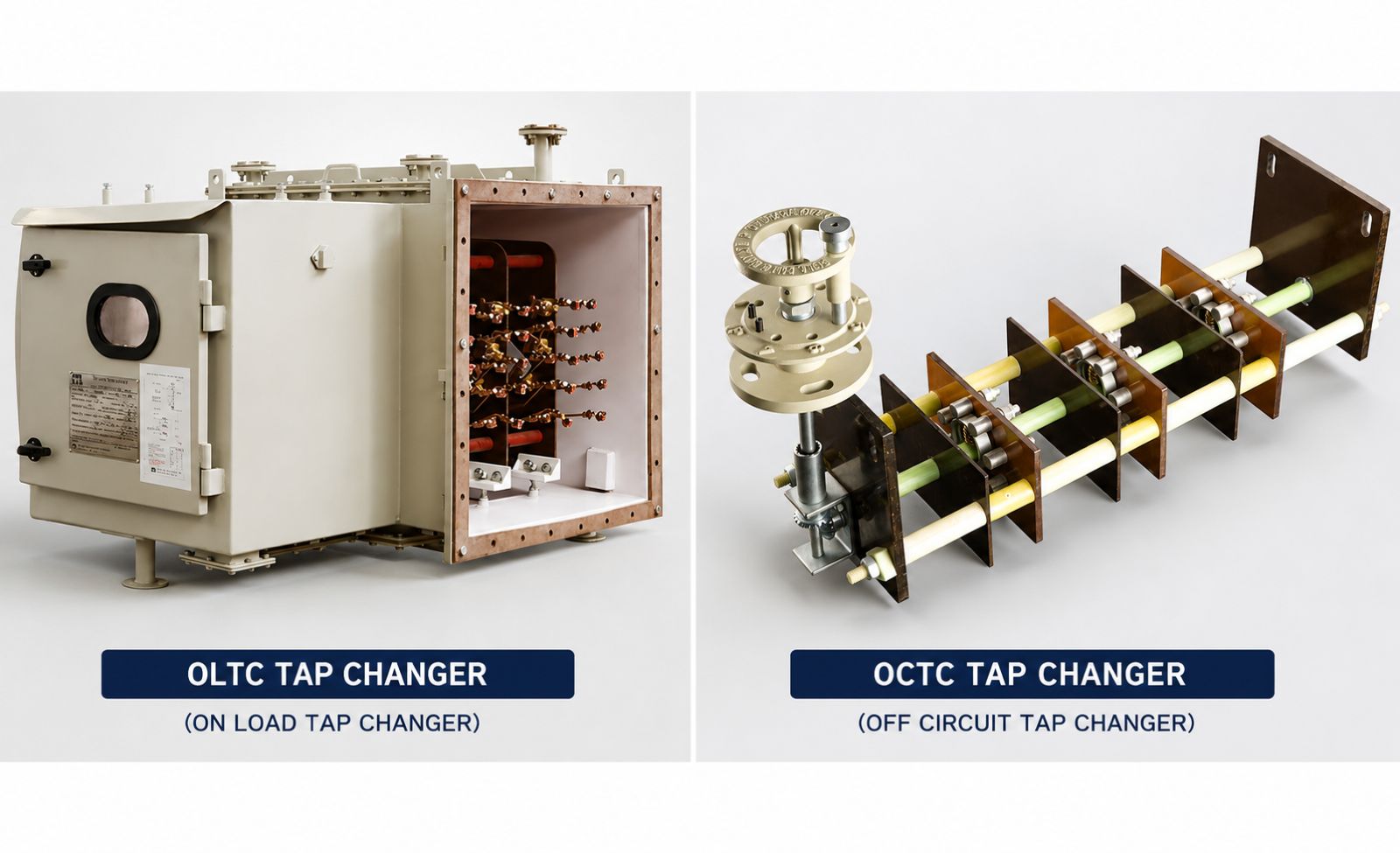
Recalibrate transformer tap-changer settings to match furnace load. |
|
Frequent Tripping |
Over-current stress |
Inspect secondary busbars and connection tightness. |
|
Excessive Noise/Vibration |
Loose core/winding clamping |
Schedule a structural integrity audit from your manufacturer. |
|
Rapid Oil Degradation |
Thermal overload |
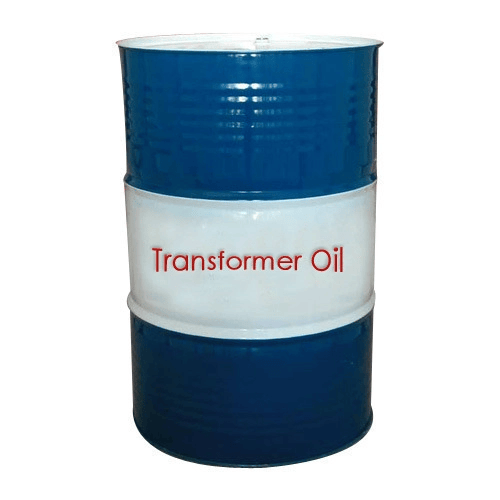
Check cooling pump flow and radiator fins for debris/blockage. |
Step-by-Step Selection Methodology
- Define Furnace Capacity: Specify the exact MVA/KVA rating and the specific melt cycle requirements (e.g., steel, ferro-alloys, or induction melting).
- Verify Specialized Expertise: Ensure your chosen Furnace Transformer Manufacturers in Chhattisgarh have a dedicated engineering team for magnetic circuit design.
- Request Stress-Test Data: Ask for documentation proving the transformer’s ability to withstand frequent short-circuit conditions.
- Evaluate Build Quality: Focus on the use of high-quality electrolytic copper and reinforced clamping structures to prevent winding deformation.
- Proximity Advantage: Industrial zones like those in Chhattisgarh require fast, on-site support. Choose a partner that offers 24/7 emergency repair and oil analysis services.
Application Areas: Solving High-Stakes Power Needs
- Steel Melting Foundries: Essential for consistent power to Electric Arc Furnaces (EAF).
- Induction Smelting Units: High-frequency, high-current supply to ensure rapid, uniform metal melting.
- Ferro-Alloy Production: Demands high-capacity, heavy-duty transformers capable of continuous, round-the-clock operations.
Frequently Asked Questions (FAQ)
1. Why can’t I use a standard transformer for my furnace? Standard transformers are built for steady grid distribution. Furnace loads are erratic and include constant "shorting" during the melting phase, which would quickly destroy the windings and insulation of a standard unit.
2. How do I improve the energy efficiency of my melting process? Efficiency starts with a well-designed transformer. Minimizing secondary circuit resistance and using a properly matched transformer impedance can drastically reduce your energy consumption per ton of melt.
3. What is the impact of cooling on furnace transformer life? Furnace transformers run hot. Proper oil filtration and efficient cooling radiators extend the life of your insulation by preventing heat-induced chemical breakdown.
4. How often should furnace transformers be serviced? Given the high-stress nature of the work, perform a full technical inspection and oil analysis at least twice a year.
5. What should I look for in a local manufacturer? Look for in-house manufacturing of critical components, an active service fleet, and a track record of supporting the local steel and alloy industry in Chhattisgarh.
Conclusion
Your furnace is only as effective as the power you feed it. Partnering with the right Furnace Transformer Manufacturers in Chhattisgarh is the most effective way to eliminate costly downtime and maintain the high thermal performance your plant requires. By focusing on specialized design and robust build quality, you ensure your foundry stays ahead of the competition.
Ready to boost your melt efficiency? Speak directly with our technical experts for a custom load assessment and a free project quote.