
Reliable Transformer Manufacturers in Chhattisgarh
The 2026 Guide to Preventing Industrial Downtime
Are you searching for dependable Transformer Manufacturers in Chhattisgarh to power your industrial project, commercial complex, or critical infrastructure? In 2026, selecting the right electrical equipment is not merely a procurement task; it is a strategic investment in grid stability and long-term operational uptime. This guide provides a comprehensive breakdown of technical requirements, how to identify top-tier engineering, and why choosing the right partner is the ultimate solution to preventing costly power failures.
How to Choose the Right Partner
When evaluating Transformer Manufacturers in Chhattisgarh, prioritize companies that hold valid BIS (Bureau of Indian Standards) certifications and possess a proven history in high-voltage engineering. Reliable manufacturers provide more than just hardware; they deliver technical consultations, rigorous on-site testing, and emergency standby support. To ensure project success, verify the manufacturer's capacity to deliver customized units—whether for a steel furnace, a hospital, or a state-grid substation.
What is an Industrial Power Transformer?
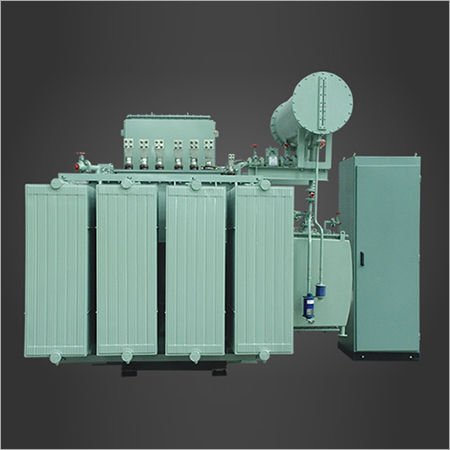
An industrial power transformer is a stationary electrical device designed to transfer energy between circuits through electromagnetic induction. Its primary purpose is to adjust voltage levels, ensuring that electricity is transmitted efficiently over distances and utilized safely by high-load industrial machinery.
Key Facts: Infrastructure Standards in 2026
- Safety Compliance: All modern units must comply with IS 1180 (Level 2) energy efficiency standards.
- Operating Lifespan: With proper maintenance and high-grade mineral oil, a quality transformer serves for 20–25 years.
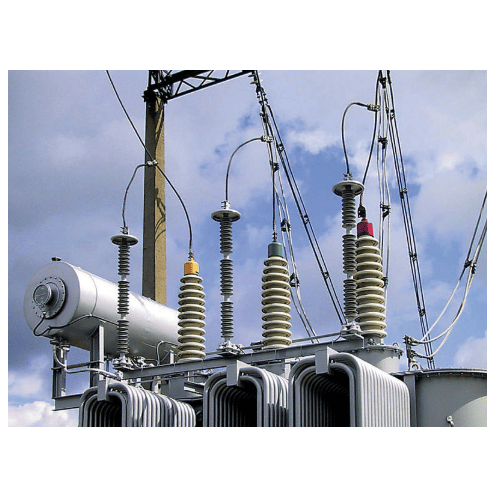
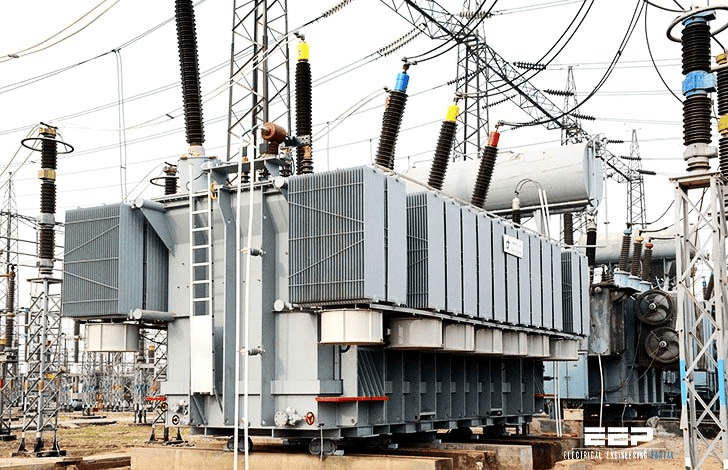
- Critical Anatomy: Reliability hinges on the quality of electrolytic copper windings, porcelain bushings, and moisture-controlled silica gel breathers.
- Efficiency Impact: A substandard unit can increase energy losses by up to 10%, directly eroding your profit margins.
Why Engineering Quality Matters for Your Project
Whether you are developing a new bridge, a high-rise facility, or a steel manufacturing unit, power consistency is the backbone of your project. If you choose an inferior transformer, you face:
- Unplanned Production Halts: Often caused by thermal overload or insulation failure.
- Energy Waste: Inefficient cores lead to higher monthly electricity bills.
- Safety Risks: Potential for short circuits and fire hazards in high-stakes environments.
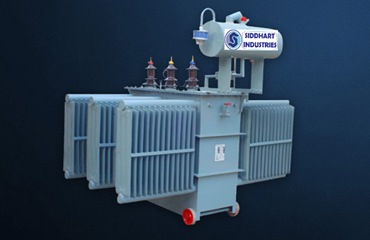
Siddhart Industries mitigates these risks by applying rigorous Total Quality Management (TQM) protocols. By utilizing premium raw materials and conducting multi-stage diagnostic testing, their engineering team ensures that every transformer meets the specific load profile of your project, effectively removing the technical uncertainty from high-voltage procurement.
The Selection Process: A Troubleshooting Guide
Before finalizing your purchase, ensure your technical team conducts a thorough evaluation of the following parameters:
|
Feature |
Importance |
What to Check |
|
KVA Rating |
Capacity |
Must match your total connected load plus a 20% growth buffer. |
|
BIS Certification |
Compliance |
Verify the ISI mark and energy efficiency labeling (Level 2). |
|
Dielectric Strength |
Insulation |
Ensure the transformer oil is tested for moisture and acidity. |
|
Cooling System |
Longevity |
Check for adequate heat dissipation for your specific climate. |
Step-by-Step Selection Methodology
- Define Load Requirements: Calculate the peak power demand of all your primary and auxiliary machinery.
- Verify Site Conditions: Confirm the environment (e.g., furnace area vs. climate-controlled building) to determine if specialized casing or cooling is required.
- Request Performance Curves: Demand documented data on no-load and full-load losses.
- Site Inspection: Visit the facility of your chosen Transformer Manufacturers in Chhattisgarh to witness the winding and assembly process firsthand.
- Service Agreement: Prioritize providers who offer post-sale support, such as oil filtration and emergency rental services.
Application Areas: Solving High-Stakes Challenges
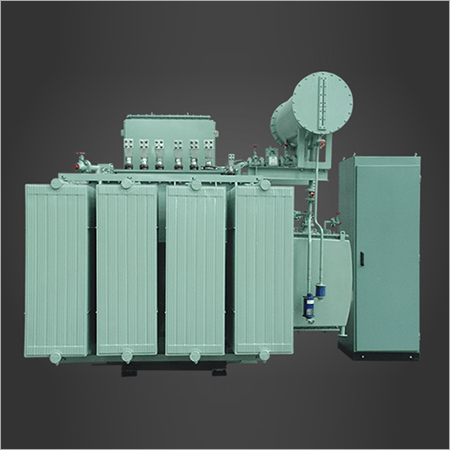
- Steel & Foundry Plants: These facilities require robust furnace transformers capable of handling volatile, high-current fluctuations.
- Infrastructure Projects: Bridges, tunnels, and highways require high-durability units that withstand outdoor exposure and humidity.
- Healthcare Facilities: Hospitals demand absolute zero-downtime equipment; redundant power systems are highly recommended.
- Commercial Real Estate: High-efficiency transformers manage heavy HVAC loads without straining the facility's power budget.
The Future of Power: Efficiency and Predictive Monitoring
In 2026, the industry is shifting toward "Smart Transformers." These next-generation units incorporate sensors to monitor temperature, oil levels, and load performance in real-time. By integrating these systems, reputable Transformer Manufacturers in Chhattisgarh are helping clients transition from reactive maintenance (fixing failures) to predictive maintenance (optimizing performance before issues arise).
Frequently Asked Questions (FAQ)
1. How long does the manufacturing process take for a custom unit?
Standard units are typically dispatched within 4–6 weeks, while specialized furnace transformers require additional time for custom engineering and load-testing.
2. Why prioritize a manufacturer based in Chhattisgarh?
Proximity reduces logistics risks and ensures that your support team can reach your site within hours in the event of an emergency, rather than days.
3. What are the earliest indicators of a failing transformer?
Common signs include unusual humming noises, visible oil seepage, persistent heat build-up, or frequent protective relay tripping.
4. Is it better to repair or replace an old transformer?
If the core is intact, rewinding and oil replacement can restore efficiency. However, for units nearing the 20-year mark, replacement is often more cost-effective.
5. What is the role of the ISI mark?
The ISI mark signifies that the product has undergone mandatory testing for quality, safety, and energy efficiency, providing the necessary assurance for industrial compliance.
Conclusion
Securing the right infrastructure is the difference between a project that runs seamlessly and one plagued by technical delays. By partnering with experts who prioritize rigorous engineering and transparent service, you ensure the long-term viability of your power systems. Whether you are in the planning phase or experiencing a critical breakdown, focusing on verified technical standards is the most effective way to safeguard your industrial future.
Need immediate help? [Contact Our Emergency Support Team Now]